

The idea for COD3 QR began taking shape in 2017; Laurent Garnier and Scan X established the label the following year. For a time, releases arrived under anonymous codes. Some of the artists' identities, including those of the founders, were disclosed later.
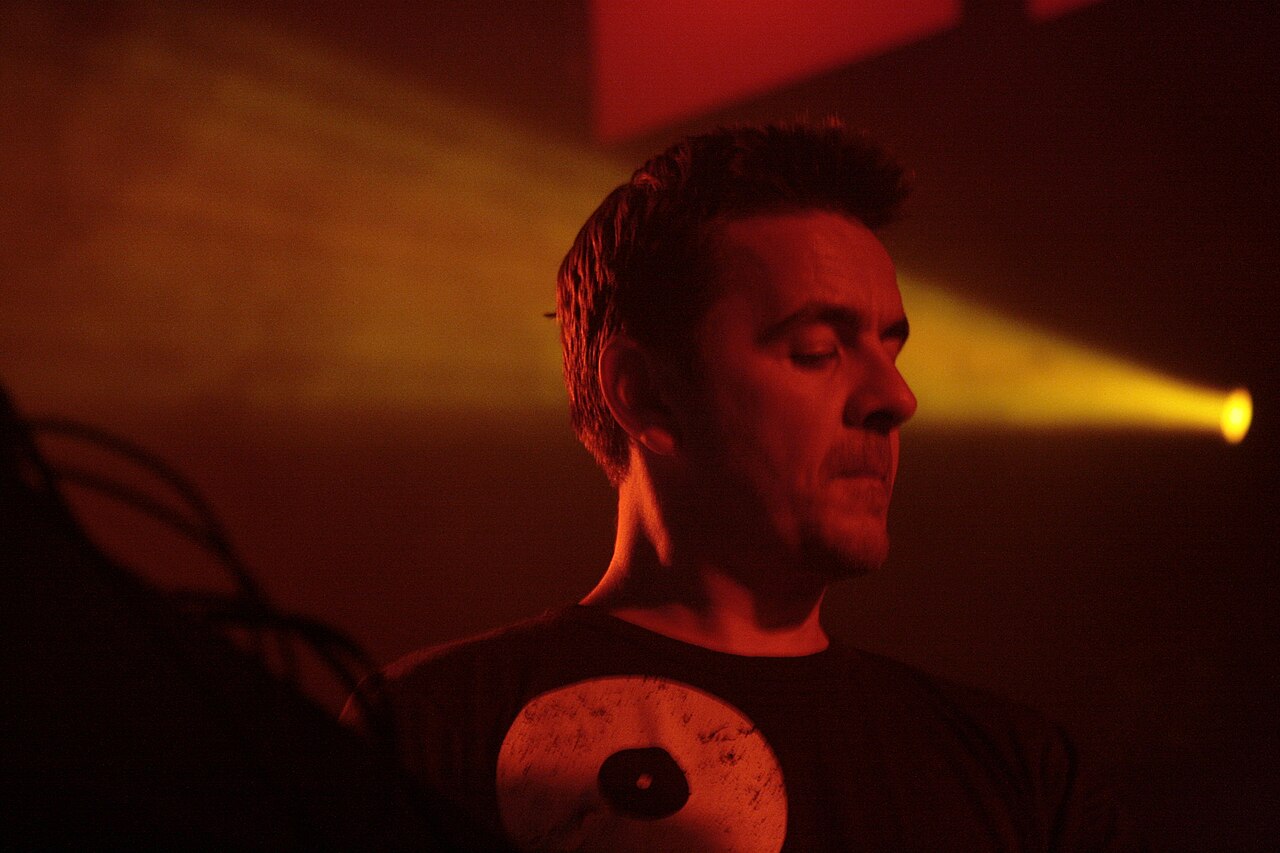

Curiosity before name recognition
The official site names eclecticism, openness and nonconformity as guiding principles. Coded releases shift initial attention from an artist's résumé to the music, without erasing authorship: names are documented later and the catalog remains traceable.
It is a curatorial choice, not a universal formula. In a market where name, image and metrics often come before listening, COD3 QR introduces a little friction and makes room for discovery.
What a label can do today
The label acts as a filter, an archive and a story. It brings different works together without making them sound alike, using a strong editorial identity to hold that variety together.
The strategy shows that independence does not mean a lack of structure. Credits, distribution, context and continuity need organization if aesthetic openness is to avoid becoming an invisible catalog.
Sources consulted
Laurent Garnier — official COD3 QR page